
Introduction
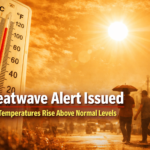
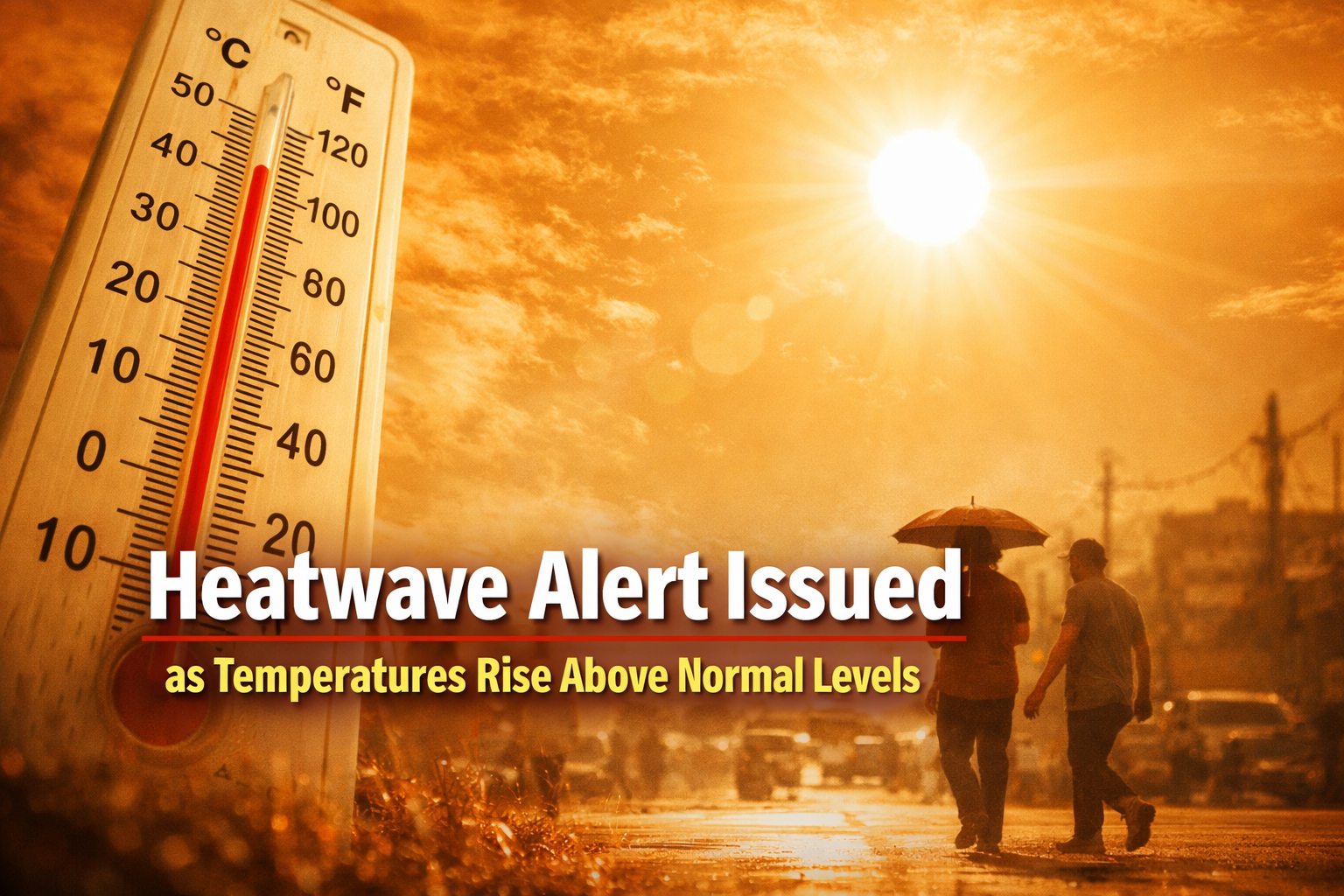
The Meteorological Department has issued a heatwave alert as temperatures continue to rise above normal levels across several regions. According to weather experts, persistent high-pressure systems and reduced cloud cover are contributing to prolonged periods of extreme heat. Such conditions pose serious risks to human health, agriculture, water resources, and overall daily life. Authorities have urged citizens to take precautionary measures, remain hydrated, and limit outdoor activities during peak heat hours. Heatwaves, once considered occasional events, are now becoming more frequent and intense, making preparedness and awareness increasingly important.
Understanding the Current Heatwave Conditions
The ongoing heatwave is the result of stable atmospheric conditions that trap warm air near the surface. Meteorologists explain that the absence of rain-bearing systems and weak wind circulation has allowed temperatures to steadily climb. In many areas, daytime temperatures have exceeded seasonal averages by several degrees, while nighttime temperatures remain unusually high, offering little relief. This combination increases heat stress, particularly for vulnerable populations such as the elderly, children, and those with pre-existing health conditions.
Regions Most Affected
Several regions are expected to bear the brunt of the heatwave, including urban centers, arid zones, and inland plains. Cities often experience higher temperatures due to the urban heat island effect, where concrete structures and asphalt absorb and retain heat. Rural and agricultural areas may also face severe heat, impacting crops and livestock. Meteorological forecasts indicate that the heatwave may persist for several days, with some regions experiencing record-breaking temperatures if conditions remain unchanged.
Impact on Public Health
Extreme heat poses significant health risks, ranging from dehydration and heat exhaustion to heatstroke, which can be life-threatening if not treated promptly. Medical professionals warn that prolonged exposure to high temperatures can strain the cardiovascular system and exacerbate chronic illnesses. Symptoms such as dizziness, headaches, nausea, and fatigue should not be ignored. Health authorities advise people to drink plenty of fluids, wear light clothing, and seek shaded or air-conditioned environments whenever possible.
Challenges for Daily Life and Work
The heatwave is expected to disrupt daily routines and working conditions, especially for individuals employed in outdoor occupations such as construction, agriculture, and transportation. Prolonged exposure to heat can reduce productivity and increase the risk of workplace accidents. Schools and institutions may adjust schedules or implement heat-related guidelines to protect students and staff. In urban areas, increased demand for electricity due to cooling appliances can strain power grids, leading to potential outages.
Effects on Agriculture and Livestock
Agriculture is particularly vulnerable to extreme heat, as high temperatures can stress crops, reduce yields, and increase water requirements. Farmers may face challenges in maintaining soil moisture and protecting crops from heat damage. Livestock are also at risk, as heat stress can affect animal health, milk production, and overall productivity. Agricultural experts recommend providing adequate water, shade, and ventilation for animals, along with adjusting irrigation schedules to conserve water resources.
Water Resources and Consumption Concerns
Heatwaves significantly increase water consumption as people rely more heavily on water for drinking, cooling, and irrigation. At the same time, evaporation rates rise, reducing water availability in reservoirs, rivers, and groundwater sources. Water management authorities emphasize the importance of responsible water use during periods of extreme heat. Simple conservation measures, such as fixing leaks and avoiding unnecessary usage, can help ensure sufficient supply for essential needs.
Preparedness Measures by Authorities
In response to the heatwave alert, government agencies and local administrations have initiated preparedness measures to minimize risks. These include issuing public advisories, setting up cooling centers in densely populated areas, and ensuring that healthcare facilities are equipped to handle heat-related emergencies. Municipal bodies are also coordinating with utility providers to manage electricity demand and prevent disruptions. Public awareness campaigns aim to educate citizens about recognizing heat-related illnesses and responding effectively.
Safety Guidelines for the Public
Authorities have outlined several safety guidelines to help individuals cope with extreme heat. People are advised to avoid direct sun exposure during midday hours, use sunscreen, and take frequent breaks if working outdoors. Keeping living spaces cool through ventilation and shading can also reduce indoor heat. Special attention should be given to children, the elderly, and pets, who are more susceptible to heat-related stress. Community members are encouraged to check on neighbors who may need assistance.
Urban Heat and Infrastructure Stress
Urban environments often experience amplified heat due to dense construction and limited green spaces. Prolonged heat can damage road surfaces, railway tracks, and other infrastructure, leading to maintenance challenges and safety concerns. Urban planners and environmental experts stress the importance of long-term solutions, such as increasing tree cover, promoting reflective building materials, and designing climate-resilient cities. These measures can help reduce the impact of heatwaves over time.
Climate Variability and Rising Heatwaves
Scientists link the increasing frequency and intensity of heatwaves to broader patterns of climate variability. Rising global temperatures contribute to more extreme weather events, including prolonged periods of heat. While heatwaves have always occurred, their growing severity highlights the need for adaptation and mitigation strategies. Investments in early warning systems, sustainable energy solutions, and public education can play a crucial role in addressing the long-term challenges posed by extreme heat.
Importance of Staying Informed
Timely and accurate weather information is essential during a heatwave. The Meteorological Department continues to monitor temperature trends and provide regular updates through official channels. Citizens are encouraged to stay informed and follow guidance issued by authorities. Avoiding misinformation and relying on verified sources can help ensure appropriate responses and reduce unnecessary panic.
Conclusion
The heatwave alert serves as a critical reminder of the impact extreme temperatures can have on health, livelihoods, and infrastructure. While heatwaves are natural phenomena, their increasing intensity calls for greater awareness, preparedness, and collective action. By following safety guidelines, conserving resources, and supporting vulnerable populations, communities can reduce risks and adapt to challenging conditions. Proactive measures and cooperation between authorities and the public will be key to navigating the current heatwave and building resilience for the future.